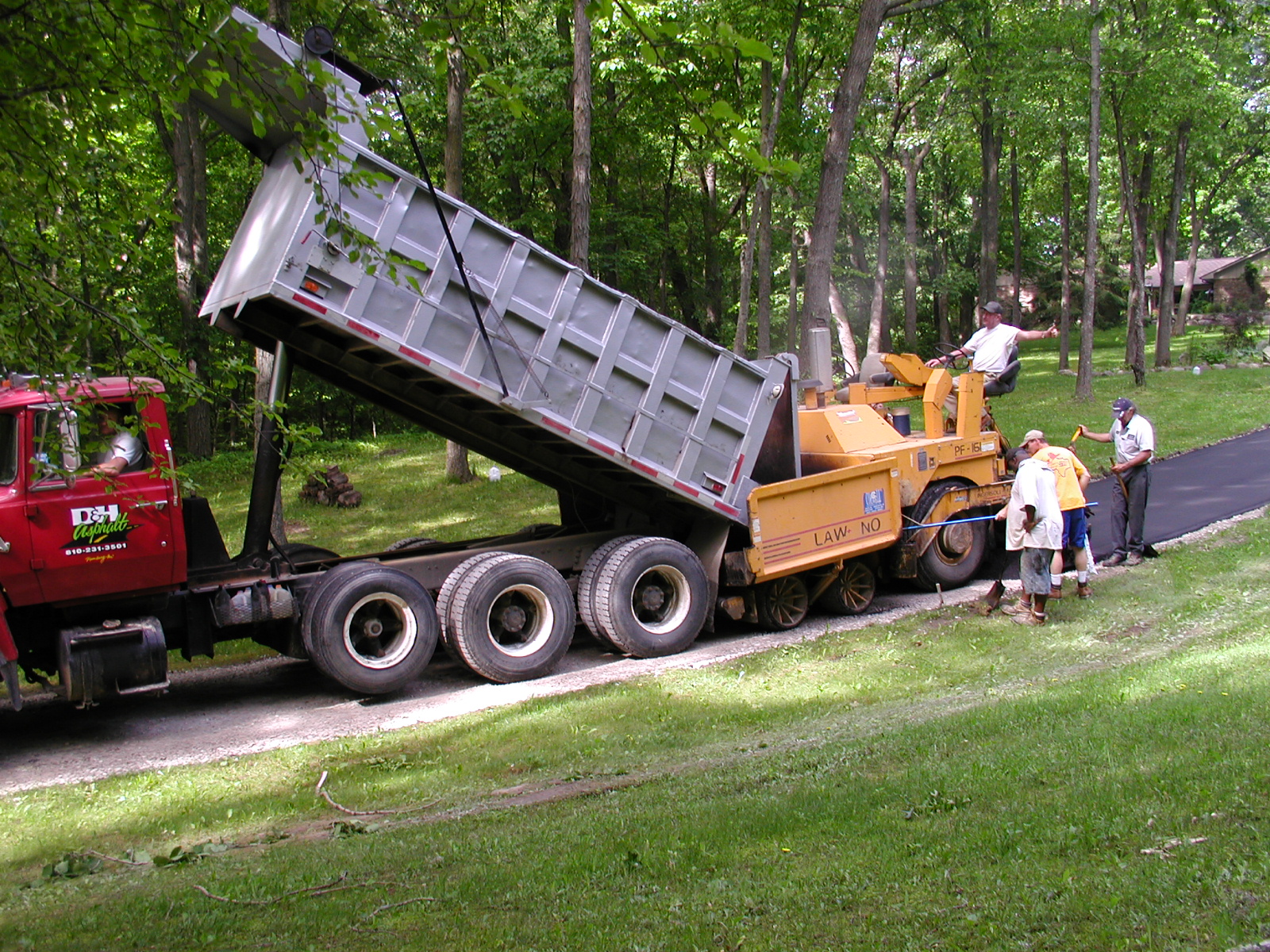
Spring in Michigan signals more than warmer temperatures and longer days. It marks the beginning of prime maintenance season for residential and commercial pavement. After months of freezing temperatures, snowplows, ice, and salt exposure, asphalt surfaces emerge from winter stressed and vulnerable. This is exactly why asphalt sealcoating becomes one of the most important services property owners can schedule in March and April.
If you want to extend the life of your driveway or parking lot, improve appearance, and prevent expensive structural damage, asphalt sealcoating should be at the top of your spring maintenance checklist. Below, we will explain why spring is the ideal time, how asphalt sealcoating works, what it protects against, and why Michigan properties especially benefit from timely application.
What Is Asphalt Sealcoating
Asphalt sealcoating is the process of applying a protective liquid coating over an existing asphalt surface. This protective layer shields the pavement from moisture, oxygen, ultraviolet rays, chemicals, and traffic wear. Without asphalt sealcoating, asphalt begins to oxidize, dry out, and weaken.
Fresh asphalt contains binding oils that give it flexibility and durability. Over time, exposure to sun, rain, and Michigan freeze thaw cycles strips those oils away. Asphalt sealcoating restores protection by creating a barrier that slows deterioration and preserves structural integrity.
For homeowners and business owners alike, asphalt sealcoating is not cosmetic maintenance. It is preventative infrastructure protection.
Why Spring Is the Ideal Time for Asphalt Sealcoating
Michigan winters are notoriously harsh on pavement. Snowplows scrape surfaces. Ice expands inside small cracks. Salt accelerates surface breakdown. By the time spring arrives, most asphalt surfaces have experienced months of stress.
Scheduling asphalt sealcoating in early spring provides several advantages:
First, temperatures are moderate. Asphalt sealcoating requires consistent surface temperatures to cure properly. Spring provides ideal curing conditions.
Second, winter damage is visible. Property owners can clearly see cracks, faded areas, and early signs of deterioration. Asphalt sealcoating at this stage prevents minor damage from expanding.
Third, spring scheduling prepares pavement for summer heat and heavy traffic. Once UV exposure increases, unprotected asphalt deteriorates more rapidly. Asphalt sealcoating creates a defensive barrier before the most intense sun exposure begins.
The Damage Asphalt Sealcoating Prevents
Many property owners underestimate the range of threats their pavement faces. Asphalt sealcoating protects against several major forms of damage.
Water infiltration is the most destructive force affecting asphalt. When water enters cracks and freezes, it expands, widening the crack and weakening the base layer. Asphalt sealcoating seals small surface pores and hairline cracks, significantly reducing water penetration.
Ultraviolet radiation oxidizes asphalt over time. Oxidation dries out the binder and causes brittleness. Asphalt sealcoating blocks UV rays and slows this aging process.
Oil and gasoline spills soften asphalt surfaces. In commercial parking lots especially, chemical exposure is common. Asphalt sealcoating provides a chemical resistant layer that reduces damage from vehicle fluids.
Oxidation, moisture, and chemical exposure all combine to shorten pavement lifespan. Asphalt sealcoating interrupts this destructive cycle.
Signs Your Property Needs Asphalt Sealcoating This Spring
Not sure whether your driveway or parking lot needs attention? Several clear warning signs indicate it is time for asphalt sealcoating.
If your asphalt has faded from deep black to dull gray, oxidation has already begun. Asphalt sealcoating restores rich color and surface protection.
If you notice fine cracks forming across the surface, moisture is beginning to penetrate. Asphalt sealcoating can help prevent these cracks from expanding.
If water absorbs into the pavement instead of beading on the surface, the protective layer has worn away. Asphalt sealcoating restores that barrier.
If it has been more than two to three years since your last application, asphalt sealcoating is likely overdue.
Benefits of Asphalt Sealcoating for Residential Properties
For Michigan homeowners, a driveway is a significant investment. Asphalt sealcoating offers several direct benefits.
First, it extends driveway lifespan. Replacing a driveway is far more expensive than maintaining it. Asphalt sealcoating can double the usable life of asphalt surfaces when applied regularly.
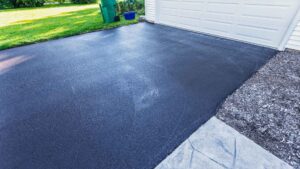
Second, it improves curb appeal. A freshly sealcoated driveway looks clean, uniform, and well maintained. For homeowners considering selling, asphalt sealcoating enhances first impressions.
Third, it reduces long term repair costs. By minimizing crack formation and water damage, asphalt sealcoating prevents expensive structural repairs.
Benefits of Asphalt Sealcoating for Commercial Properties
Commercial properties face additional demands due to heavier traffic and larger surface areas.
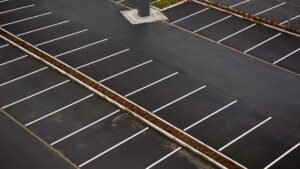
Asphalt sealcoating improves safety by maintaining a smooth surface. It also enhances line striping visibility, ensuring ADA compliance and organized traffic flow.
For retail centers, office buildings, and industrial facilities, appearance matters. Asphalt sealcoating signals professionalism and responsible property management.
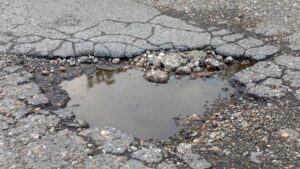
In addition, routine asphalt sealcoating reduces liability risks. Fewer cracks and potholes mean fewer opportunities for trip and fall incidents or vehicle damage claims.
How Often Should Asphalt Sealcoating Be Applied
In Michigan, asphalt sealcoating is typically recommended every two to three years depending on traffic levels and weather exposure.
High traffic commercial lots may require more frequent asphalt sealcoating. Residential driveways often maintain protection within the standard cycle.
Regular inspections in early spring help determine whether asphalt sealcoating is needed that season.
The Asphalt Sealcoating Process
Professional asphalt sealcoating involves more than simply applying a coating. A proper process ensures durability.
First, the surface is thoroughly cleaned. Dirt, debris, and oil stains must be removed to allow proper bonding.
Second, cracks are sealed and minor repairs are completed. Asphalt sealcoating works best on structurally sound pavement.
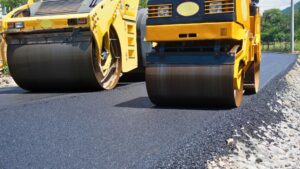
Third, the sealcoat material is evenly applied using professional equipment to ensure consistent thickness.
Finally, curing time is allowed. Traffic should remain off the surface until asphalt sealcoating fully cures.
When done correctly, asphalt sealcoating provides a smooth, uniform finish that protects for years.
Environmental and Industry Standards
Modern asphalt sealcoating products are designed to meet environmental and safety standards. Professional contractors use materials formulated for durability and compliance.
For more information on asphalt preservation standards, you can reference the Department of Transportation here. This organization provides research and guidance on asphalt performance and maintenance best practices.
The Cost Effectiveness of Asphalt Sealcoating
One of the strongest arguments for asphalt sealcoating is financial. The cost of routine asphalt sealcoating is minimal compared to resurfacing or full replacement.
Without asphalt sealcoating, small cracks expand. Moisture damages the base. Eventually, full reconstruction becomes necessary.
Preventative asphalt sealcoating spreads maintenance costs over time and protects long term property value.
Common Myths About Asphalt Sealcoating
Some property owners believe asphalt sealcoating is purely cosmetic. While it does improve appearance, its primary function is protective.
Others assume asphalt sealcoating can fix major structural issues. It cannot replace proper repairs but serves as a protective layer once repairs are completed.
Another misconception is that asphalt sealcoating is unnecessary in colder climates. In fact, Michigan properties benefit greatly from asphalt sealcoating because of freeze thaw exposure.
Choosing the Right Contractor for Asphalt Sealcoating
Quality matters. Proper preparation, material selection, and application technique determine how well asphalt sealcoating performs.
An experienced Michigan contractor understands local climate conditions and applies asphalt sealcoating at optimal times for curing and durability.
When evaluating contractors, consider experience, equipment, customer reviews, and knowledge of Michigan weather impacts.
Why Michigan Properties Especially Need Asphalt Sealcoating
Michigan presents unique environmental challenges. Freeze thaw cycles expand cracks. Road salt accelerates oxidation. Heavy snow removal equipment scrapes surfaces.
Asphalt sealcoating provides critical protection against these regional stressors. Without regular asphalt sealcoating, pavement deterioration accelerates rapidly.
Spring offers the best opportunity to reset your pavement protection before another year of seasonal extremes.
Protect Your Asphalt This Spring
If your driveway or parking lot looks faded, cracked, or worn after winter, now is the time to act. Asphalt sealcoating restores protection, improves appearance, and prevents costly repairs down the road.
Do not wait until minor damage becomes structural failure. Investing in asphalt sealcoating this spring is one of the smartest maintenance decisions Michigan property owners can make.
Contact D&H Asphalt today to schedule professional asphalt sealcoating and protect your investment.