Pavement is one of the most visible and heavily used assets on any commercial property, yet it is also one of the most neglected. Parking lots and driveways take a beating from vehicle traffic, UV rays, water intrusion, and freeze-thaw cycles year after year. Without a proactive maintenance plan, that deterioration adds up fast, and the repair bills that follow are anything but small.
Commercial sealcoating is one of the most cost-effective tools property owners have to protect their asphalt investment. It creates a barrier against the elements, slows oxidation, and dramatically extends the usable life of a pavement surface. For commercial properties where appearance and safety both matter, the return on that investment is hard to argue with.
This article breaks down exactly what the ROI looks like, why the math consistently favors sealcoating over reactive repairs, and what property owners need to know before getting started.
What Is Commercial Sealcoating and How Does It Work?
Sealcoating is the process of applying a protective liquid coating over an existing asphalt surface. The coating fills minor surface cracks, seals out moisture and oils, and provides a layer of UV protection that slows the oxidation process that causes asphalt to become brittle over time. It is not a structural repair, but it is one of the best preventive measures available.
The typical sealcoating product is coal tar or asphalt-based, applied by spray or squeegee in one or two coats depending on surface condition. Once cured, the surface is darker in color, more resistant to chemical spills from vehicles, and significantly more durable against weather-related wear. Most applications need 24 to 48 hours of cure time before the lot can be reopened to traffic.
For commercial property owners, the timing of sealcoating matters. Applying it every two to three years on a well-maintained surface is the standard recommendation from pavement professionals. Waiting too long reduces the effectiveness of the application and often requires more surface preparation, which drives up costs.
The Real Cost of Neglected Asphalt
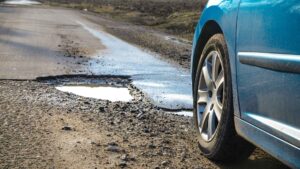
Asphalt that goes unsealed deteriorates on a predictable timeline. Oxidation begins immediately after installation, and within a few years, surface cracking becomes visible. Water enters those cracks, expands during freezing temperatures, and causes the subsurface to weaken. That is when small maintenance issues become major structural problems.
The cost difference between surface maintenance and structural repair is significant. Crack filling and sealcoating a parking lot typically costs between $0.15 and $0.25 per square foot. Full-depth reclamation or replacement of the same surface can run anywhere from $3.00 to $7.00 per square foot or more depending on thickness and materials. That is a cost gap of 10 to 30 times.
According to the Federal Highway Administration, pavement preservation treatments applied at the right time can reduce long-term maintenance costs by 50% or more. The principle is straightforward: a small investment made early in the pavement life cycle costs far less than waiting for visible failure to occur.
The ROI Breakdown: Numbers That Matter
The return on investment from sealcoating comes from several sources: extended pavement life, deferred replacement costs, reduced liability from surface defects, and improved curb appeal that can influence tenant retention or customer traffic. Each of these has a dollar value, even if some are harder to quantify directly.
Asphalt pavement that is properly maintained through sealcoating and regular crack filling has an expected service life of 25 to 35 years. Pavement that receives no maintenance typically requires replacement in 15 to 20 years. Extending the life of a 20,000 square foot parking lot by even 10 years at a replacement cost of $4.00 per square foot represents $80,000 in deferred capital expenditure.
A typical commercial sealcoating application for a 20,000 square foot lot would cost between $3,000 and $5,000, applied every two to three years. Over a 10-year period, that is roughly $15,000 to $25,000 in total maintenance spend to protect against $80,000 or more in replacement costs. The ROI on that investment is substantial.
Liability and Safety Considerations
Cracked and deteriorating pavement is more than an eyesore on a commercial property. It creates real liability exposure for property owners and managers. Trip-and-fall accidents caused by surface defects are among the most common premises liability claims, and the settlements that result can far exceed the cost of routine maintenance.
Sealcoating helps close that liability gap by maintaining a smoother, more uniform surface. It also makes existing cracks easier to see and address before they become significant hazards. For retail centers, medical offices, and other properties with high pedestrian traffic, that proactive approach to safety is both a legal and ethical responsibility.
Insurance providers and property managers increasingly recognize pavement condition as a risk factor. Properties with documented maintenance programs, including regular sealcoating, are in a stronger position when claims arise and may qualify for lower premiums depending on the policy and provider.
Curb Appeal and Property Value
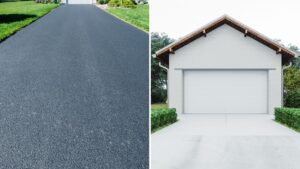
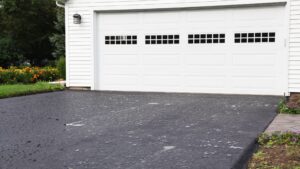
First impressions matter on commercial properties. A freshly sealed parking lot is noticeably cleaner and darker in appearance, which communicates to customers, tenants, and visitors that the property is well managed. That perception has direct value, particularly for retail, hospitality, and professional service businesses where customer experience begins in the parking lot.
For commercial real estate investors and property managers, pavement condition is also a factor in property valuation. Appraisers and buyers consider deferred maintenance when assessing value, and a parking lot that clearly needs work will often be used as a negotiating point during a transaction. Proactive maintenance through commercial sealcoating removes that variable.
Tenant satisfaction is another dimension worth considering. Tenants who operate in well-maintained properties are more likely to renew leases and less likely to negotiate reductions based on property condition. The cost of a sealcoating cycle is modest compared to the cost of tenant turnover or vacancy in a commercial space.
How Often Should Commercial Properties Sealcoat?
The right frequency depends on several factors, including traffic volume, climate, and the current condition of the pavement surface. As a general baseline, most commercial pavement professionals recommend sealcoating every two to three years for actively used surfaces. High-traffic areas such as drive-throughs, loading zones, or main thoroughfares through a parking lot may need more frequent attention.
New asphalt should cure for six to twelve months before the first sealcoating application. Applying too soon can trap gases in the asphalt that need to escape during the curing process. After that initial window, establishing a consistent maintenance schedule is the most reliable way to protect the investment.
A qualified commercial sealcoating contractor can assess the current condition of a pavement surface and recommend a schedule that fits both the physical needs of the lot and the budget priorities of the property owner. Getting that evaluation before committing to a maintenance plan ensures you are not over- or under-investing in the surface.
What to Expect During a Commercial Sealcoating Project
A commercial sealcoating project typically begins with surface preparation, which includes cleaning the pavement, blowing out debris from cracks, and treating any oil spots that could prevent adhesion. Existing cracks are filled and allowed to cure before the sealcoat is applied. Skipping this prep work is one of the most common reasons sealcoating applications fail prematurely.
The sealcoat is then applied in one or two passes using a spray system or squeegee, depending on surface conditions and product specifications. Line striping is typically redone after sealcoating is complete, since the new coating covers existing markings. The entire process for a standard commercial lot can usually be completed in one day, with the surface reopened within 24 to 48 hours.
Coordinating traffic flow and tenant access during the project is an important logistical consideration for commercial properties. Most sealcoating contractors are experienced at working in phases to minimize disruption, sealing one section of the lot while keeping another accessible. Planning the project during lower-traffic periods, such as evenings or weekends, is another option worth discussing with your contractor.
Choosing the Right Commercial Sealcoating Contractor
Not all sealcoating work is equal, and the quality of the application directly affects how long the coating lasts and how much protection it provides. When evaluating contractors, look for documented experience with commercial properties, references from similar projects, and a clear process for surface preparation. A contractor who skips straight to the coating without thorough prep is a warning sign.
Ask about the products they use and whether they meet industry standards. Coal tar emulsion and asphalt emulsion are the two most common formulations, each with different performance characteristics depending on climate and use conditions. A knowledgeable contractor should be able to explain the difference and make a recommendation based on your specific property.
According to Michigan Tech University, properly applied sealcoating can double the service life of asphalt pavement when used as part of a regular maintenance program. Getting the right contractor in place is the most important variable in achieving that outcome.
Building a Long-Term Pavement Maintenance Plan
The most financially efficient approach to commercial pavement management is treating it as a planned asset rather than a reactive expense. A long-term maintenance plan that includes regular sealcoating, scheduled crack filling, and periodic assessments allows property owners to budget predictably and avoid the large capital outlays that come with premature replacement.
Tracking the condition of your pavement over time also gives you documentation that can be useful for insurance purposes, tenant communications, and future property transactions. Simple records of work performed, including dates, square footage treated, and contractor information, create a maintenance history that adds credibility and value to the asset.
The goal is not to spend the most on maintenance but to spend wisely and at the right times. Sealcoating done consistently is one of the clearest examples of preventive maintenance that pays for itself multiple times over through reduced repair costs and extended asset life.
Final Thoughts
The ROI of commercial sealcoating is not a matter of speculation. It is visible in the cost comparisons between preventive maintenance and structural repair, in the extended service life of properly maintained pavement, and in the liability and aesthetic value it protects. For commercial property owners who are serious about asset management, it belongs in the maintenance budget as a recurring line item, not an afterthought.
The math is straightforward: a modest annual investment in commercial sealcoating defers tens of thousands of dollars in replacement costs, reduces liability exposure, and keeps your property looking professional and well maintained. The properties that skip it consistently pay more in the long run.
Ready to protect your commercial investment? Contact D and H Asphalt today to schedule an assessment and get a quote for your property.