If you’re planning a new driveway or replacing one that’s seen better days, the asphalt versus concrete question comes up almost every time. Both materials can look great and both can last for years, but they hold up very differently once Michigan’s freeze thaw cycles, road salt, and temperature swings get involved. Here’s how they actually compare once winter enters the picture.
How Each Material Handles Michigan Winters
Michigan winters are hard on driveways. Water gets into small cracks, freezes, expands, and slowly makes those cracks bigger. This cycle repeats itself all winter long, and it’s one of the biggest factors separating asphalt and concrete performance in our area.
Asphalt flexes with the cold. Asphalt has a bit of natural flexibility built into it, which allows it to expand and contract with temperature changes without cracking as easily. That flexibility is a real advantage during a Michigan winter, where the ground itself shifts with the freeze thaw cycle.
Concrete is rigid. Concrete is a much more rigid material, which means it doesn’t have the same give when the ground underneath shifts. Over time, that rigidity makes concrete more prone to cracking in regions with heavy freeze thaw cycles, especially if the base wasn’t installed correctly to begin with.
Road Salt and De-Icing Chemicals
Anyone who’s dealt with a Michigan winter knows road salt is a fact of life. Unfortunately, it affects asphalt and concrete differently.
Concrete tends to be more vulnerable to salt damage. Over time, de-icing salts can cause the surface to flake, pit, or spall, which is when small chips of the surface break away. Asphalt handles road salt more comfortably and doesn’t show the same kind of surface damage from repeated exposure.
If you’re someone who relies heavily on salt or other de-icers throughout the winter, that’s a point worth factoring into the decision.
Cost Differences
Asphalt is generally the more budget friendly option upfront, which is a big part of why it’s such a common choice for driveways in our area. Concrete tends to cost more to install initially, though it’s often marketed as requiring less frequent maintenance over its lifespan.
That said, asphalt’s lower upfront cost combined with straightforward, affordable maintenance like periodic sealcoating often makes it the more practical choice for homeowners looking to balance performance and cost over the life of the driveway.
Maintenance Requirements
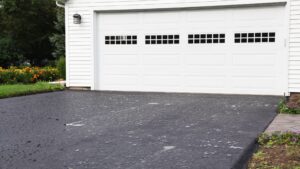
Asphalt benefits from sealcoating every few years, which protects the surface from water, UV exposure, and everyday wear. This is a relatively quick and affordable service, and it goes a long way toward extending the life of the driveway.
Concrete doesn’t require sealcoating in the same way, but repairs tend to be more involved and more expensive when cracks or damage do occur. Concrete cracks are also generally harder to repair invisibly, since a patched section can be noticeably different in color and texture from the surrounding surface.
Repair and Lifespan Considerations
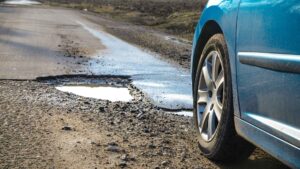
When asphalt does develop cracks or potholes, repairs tend to be quicker and less expensive, and the patched area blends in more naturally over time. This makes asphalt a practical choice if you’re someone who prefers to handle small issues as they come up rather than facing a bigger repair bill down the road.
Concrete can last a long time when properly maintained and when the base was installed correctly, but once real damage sets in, whether from freeze thaw cycles, salt exposure, or a shifting base, repairs tend to be more noticeable and more costly than an equivalent asphalt repair.
Appearance and Curb Appeal
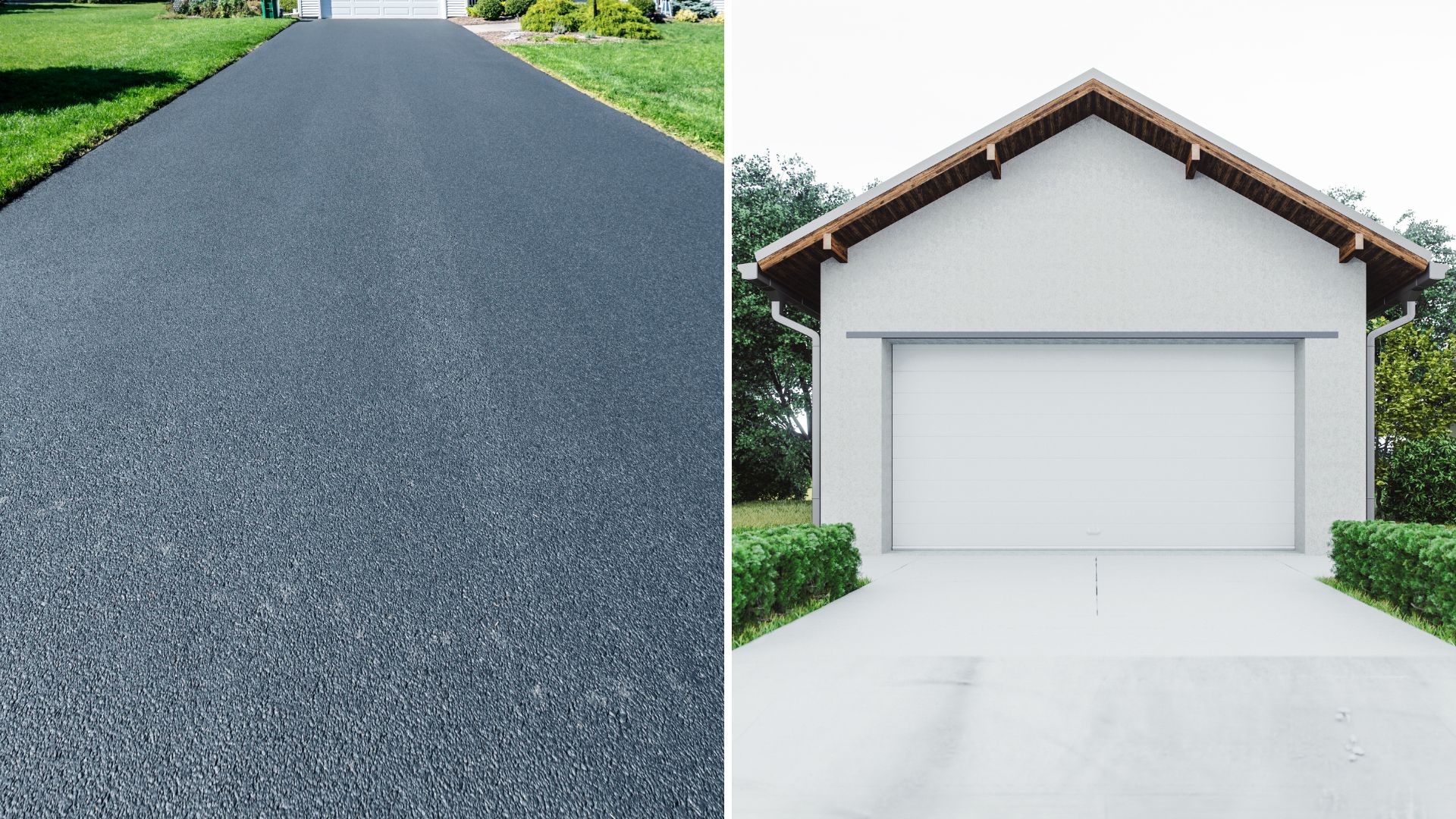
This one really comes down to personal preference. Concrete offers a clean, bright look and can be finished in different styles, including stamped or colored options. Asphalt has a classic, uniform dark finish that a lot of homeowners like for the contrast it creates against a home’s landscaping and exterior.
Neither option is objectively better looking, it’s mostly about which style fits the look you’re going for.
Which One Makes More Sense for Your Home
For most Michigan homeowners, asphalt tends to be the more practical choice given our climate. The flexibility that helps it handle freeze thaw cycles, the lower upfront cost, and its resistance to road salt damage all work in its favor for a region that deals with harsh winters every single year.
Concrete can still be a great choice, especially for homeowners who prioritize a specific aesthetic or who are comparing long term appearance over decades rather than immediate cost. The right choice really depends on your budget, your priorities, and how much maintenance you’re willing to keep up with over the years.
How D&H Asphalt Can Help
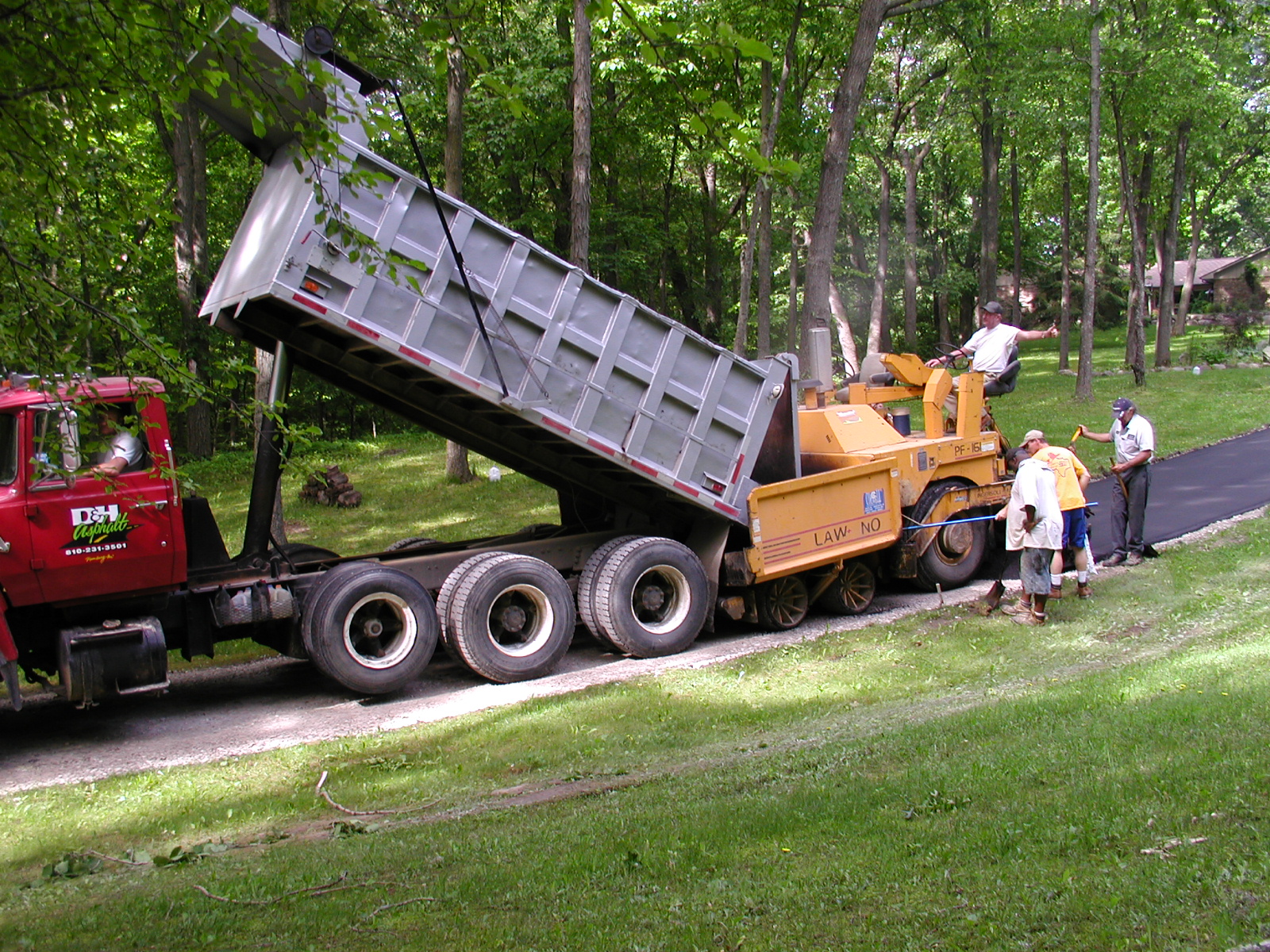
D&H Asphalt has been serving Livingston, Oakland, and Washtenaw county since 1965, and we’ve seen firsthand how Michigan winters affect driveways over the decades. Our team can walk you through the pros and cons based on your specific property, your budget, and what you’re looking for long term.
We offer free, no obligation estimates on residential asphalt paving, so there’s no pressure either way. Give us a call or reach out through our website to get started. We’re fully bonded and insured, and we back our work with a 100% satisfaction guarantee.
Frequently Asked Questions
Does asphalt or concrete handle Michigan’s freeze thaw cycles better?
Asphalt tends to handle it better because of its natural flexibility. It expands and contracts with temperature changes without cracking as easily, while concrete’s rigidity makes it more prone to cracking when the ground shifts underneath it.
Does road salt damage concrete more than asphalt?
Yes, concrete is generally more vulnerable to salt damage. Over time, de-icing salts can cause concrete to flake or pit, while asphalt holds up more comfortably against repeated salt exposure.
Which option costs less upfront, asphalt or concrete?
Asphalt is typically the more budget friendly option to install. Concrete tends to cost more upfront, though it’s often marketed as needing less frequent maintenance over time.
Do asphalt driveways need more maintenance than concrete?
Asphalt does benefit from sealcoating every few years, which concrete doesn’t require in the same way. That said, concrete repairs tend to be more involved and more expensive when cracks or damage do show up.
Which material is easier to repair if it cracks?
Asphalt repairs are generally quicker, less expensive, and blend in more naturally with the surrounding surface. Concrete patches tend to be more noticeable since the color and texture can differ from the original surface.