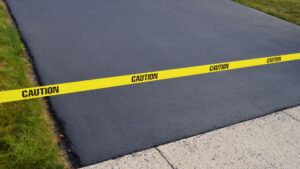
Most asphalt driveways benefit from sealcoating every few years, and a common range is about every 2 to 5 years depending on traffic, sun exposure, and the condition of the surface. A brand new driveway needs time to cure first, so it’s usually best to wait about 6 to 12 months before the first coat. Sealcoating protects asphalt that’s still in good shape, so it isn’t the right fix for a driveway with deep cracks, potholes, or crumbling edges. Here’s how to tell where yours falls, and what Michigan weather has to do with it.
What Sealcoating Actually Does
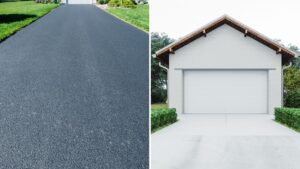
Sealcoating is a protective layer applied to the surface of the asphalt. At D&H Asphalt, we describe it as a barrier against harmful elements like UV rays, water, oil, and chemicals. It also restores that deep black finish, which fades to gray as asphalt ages.
It’s maintenance, not repair. Sealcoating helps good pavement last longer, but it doesn’t add structural strength, and it won’t fix a driveway that’s already breaking apart underneath. That distinction matters when you’re deciding on timing.
Why Michigan Driveways Need It More Than Most
Water is the biggest enemy of asphalt, and Michigan has plenty of it. The Federal Highway Administration notes that routine infiltration of water and debris deteriorates pavement and weakens its foundation. In Michigan, that water goes through a freeze and thaw cycle over and over each winter.
Here’s how that plays out on a driveway. Water seeps into small cracks and freezes, and frozen water expands. The crack gets a little bigger, more water gets in, and the cycle repeats. By spring, a hairline crack can turn into a wider crack or a pothole. A sealed surface sheds more of that water, which slows the process down.
The FHWA’s pavement preservation guidance is just as clear on timing. It says preservation treatments work well when done in a timely manner, before the structure is damaged, and that a reactive approach is less cost effective. You can read more in the FHWA’s pavement preservation companion guide. The same idea applies to your driveway. It’s cheaper to protect it early than to rebuild it later.
So How Often Should You Sealcoat?
There isn’t one number that fits every driveway. A few things move the timeline:
Traffic. A driveway with several vehicles coming and going every day wears faster than one used by a single car.
Sun exposure. Open, sunny driveways take more UV damage. Shaded driveways hold moisture longer, which brings its own problems.
Age and condition. Older asphalt tends to dry out and absorb more water, so it benefits from more regular protection.
Oil and chemical exposure. Leaks, deicing products, and road salt tracked in from the street can break down the surface.
As a starting point, plan on about every 2 to 5 years, and let the condition of the surface guide you. A driveway in good shape with light use can stretch toward the longer end. A heavily used one in full sun might need it sooner.
How Long to Wait on a New Driveway
Fresh asphalt needs time to cure, and sealing it too early can trap the oils that are still working their way out of the mix. A common guideline is to wait about 6 to 12 months after a new driveway is installed before sealcoating it. If your driveway is newly paved, we’ll let you know the right time for your specific project.
Signs It’s Time to Sealcoat
Look for these on a dry day:
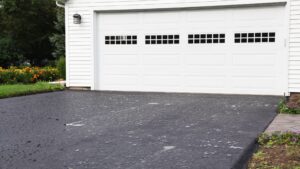
Faded color. Dark black asphalt has turned dull gray.
A dry, rough surface. The surface looks and feels worn, and you can see the small stones in the mix.
Hairline cracks. Thin cracks are starting to show up, but the surface is otherwise solid.
Oil stains and surface wear. Spots where oil has soaked in, and areas where the surface looks scuffed.
If you’re seeing mostly these signs, your driveway is a good candidate. Acting at this stage is what sealcoating is for.
Signs It May Be Too Late
Sealcoating can’t rescue every driveway. These signs point to something bigger than a surface issue:
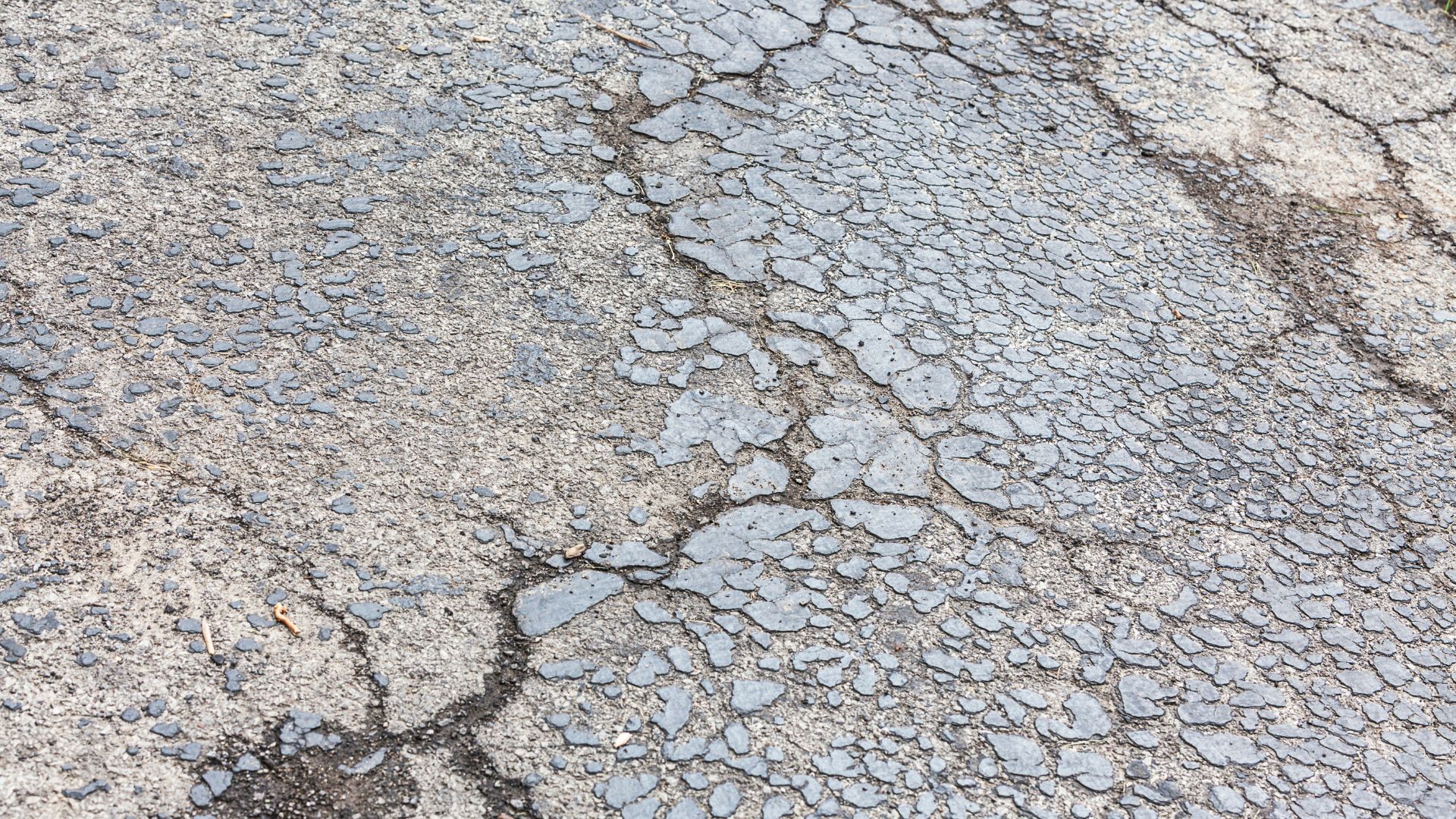
Alligator cracking. A web of interlocking cracks that look like reptile skin, which usually means the base underneath is failing.
Potholes. Holes that have already formed need repair, not a coat of sealer over them.
Crumbling edges. If the edges are breaking away, the driveway is losing its support.
Sunken or uneven areas. Dips and settling often point to a base problem.
Wide, deep cracks. Cracks that are open an inch or more need to be repaired before anything else.
For driveways like these, repair or resurfacing is usually the better move. We’re happy to look at it and tell you honestly which one makes sense.
The Right Order: Repair First, Then Seal
Even a good driveway usually needs a little prep. A proper job starts with cleaning the surface and filling the cracks, and then applying the sealcoat. Sealing over open cracks doesn’t fix them, and water will still find its way in. The FHWA notes that crack sealing on pavement in good condition can extend the life of the pavement by 1 to 4 years, which is a good reminder that crack filling and sealcoating work as a team.
What About the Time of Year?
Sealcoating needs warm, dry weather to go on and cure properly, which is why spring through early fall is the best window for paving and sealcoating in Michigan. If you missed this year’s window, don’t worry. Spring is your next chance, and it’s a good time to have your driveway checked after winter. We assess projects year round and can advise on timing.
How D&H Asphalt Can Help
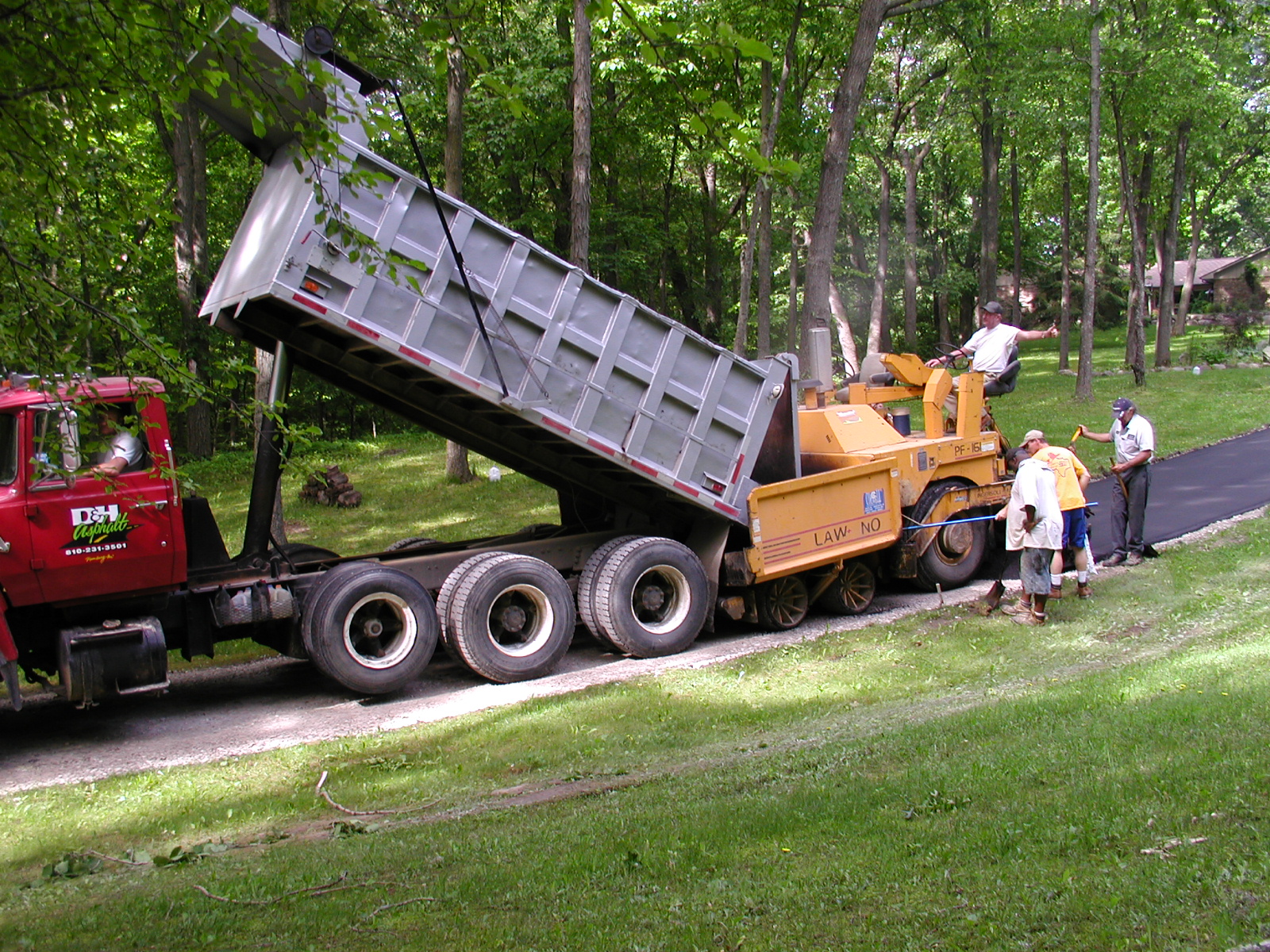
D&H Asphalt is a family owned company based in Hamburg, Michigan, and we’ve been paving since 1965. We’re fully bonded and insured, we back our work with a 100% satisfaction guarantee, and we serve Livingston, Western Oakland, and Washtenaw counties and the surrounding area.
If you’re not sure whether your driveway needs sealcoating, repair, or something more, we’ll take a look and give you a straight answer. We offer free, no obligation estimates, and we respond within one business day. Call us at (810) 231-3501 or fill out our form online.
Frequently Asked Questions
How often should you sealcoat an asphalt driveway?
Most driveways benefit from sealcoating every few years. A common range is about every 2 to 5 years, depending on traffic, sun exposure, and the condition of the surface. If you’re not sure, we’re happy to take a look and tell you where yours stands.
How long should you wait to sealcoat a new asphalt driveway?
A common guideline is about 6 to 12 months. New asphalt needs time to cure, and sealing it too soon can trap oils that are still coming out of the mix. We can recommend the right timing for your project.
Is it too late to sealcoat my driveway?
It depends on the condition. If the driveway has faded color and hairline cracks, sealcoating is a good fit. If you have potholes, alligator cracking, crumbling edges, or sunken areas, repair or resurfacing is usually the better option.
Does sealcoating fill cracks?
No. Sealcoating protects the surface, but cracks should be cleaned and filled first. Sealing over open cracks doesn’t stop water from getting in.
What is the best time of year to sealcoat in Michigan?
Spring through early fall. Sealcoating needs warm, dry weather to go on and cure properly. If you’re past that window, we can still assess your driveway and advise on timing.
Is sealcoating worth it?
For a driveway in good shape, usually yes. It helps protect against UV rays, water, oil, and chemicals, which are the things that wear asphalt down. It’s much less expensive to protect a driveway than to repair or replace one.
Do you offer free estimates for sealcoating?
Yes, we offer free, no obligation estimates. A team member will follow up within one business day of your request. We’ll look at your driveway and tell you what it needs.
D&H Asphalt proudly serves residential and commercial customers throughout Livingston County, Oakland County, and the surrounding communities. Questions about asphalt services? Contact our team today.