A pothole that looks minor today is rarely minor for long. Once water finds its way beneath the surface and the freeze-thaw cycle gets to work, what started as a small dip turns into a growing crater that puts vehicles, pedestrians, and the surrounding pavement at serious risk. Property owners who treat potholes as a cosmetic problem consistently end up paying far more to fix the structural damage that follows.
The short answer: pothole repair should happen as soon as a pothole is identified, not when it becomes impossible to ignore. Prompt action stops water infiltration at the source, prevents base layer damage from spreading, and eliminates the safety and liability exposure that comes with neglected pavement.
This article covers what causes potholes to form, why leaving them unaddressed is a costly mistake, which repair methods work best depending on conditions, and what property owners can do to prevent them from coming back.
What Causes Potholes to Form
The Freeze-Thaw Cycle
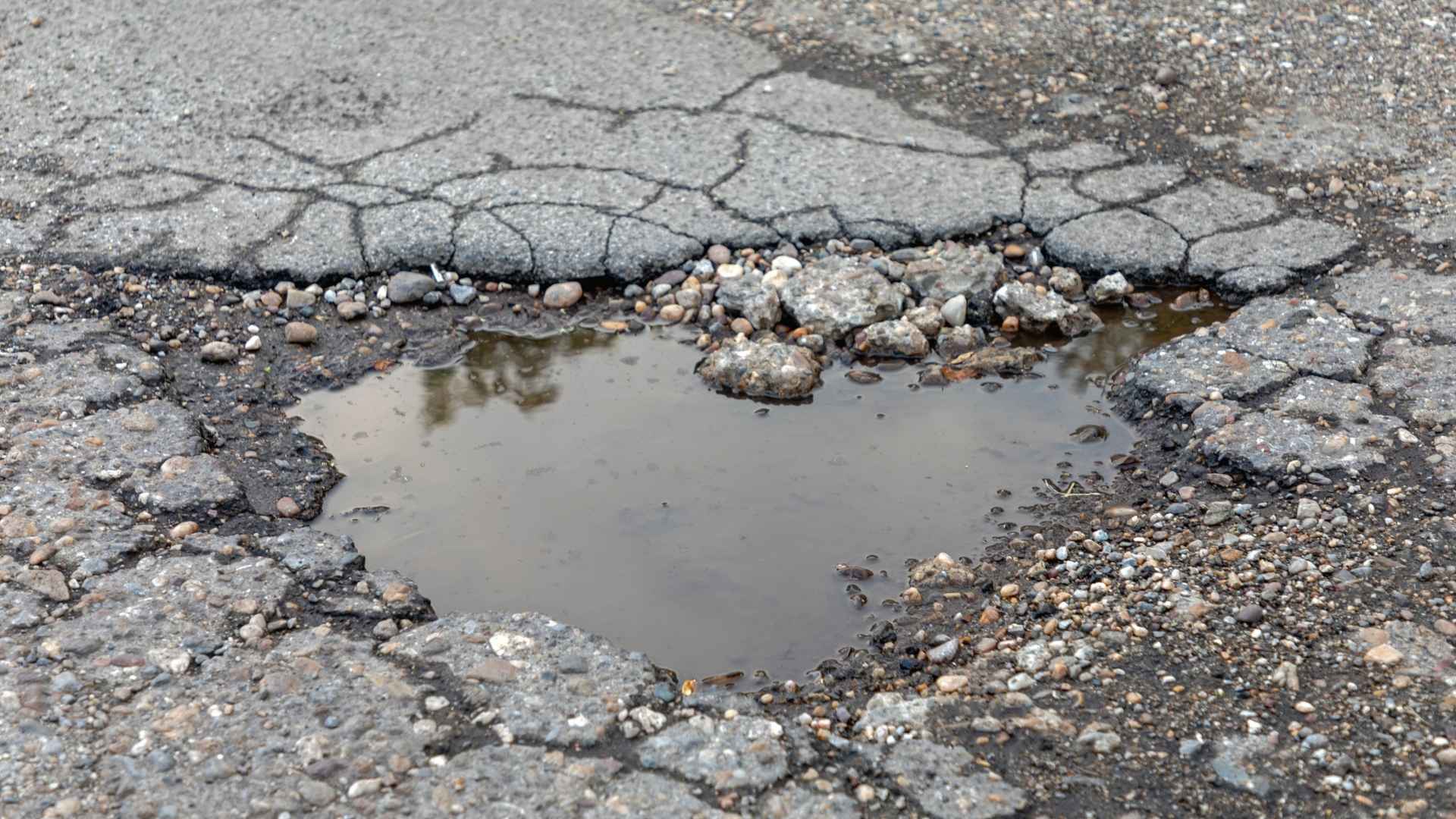
Potholes do not appear overnight by accident. The process starts when water seeps into small cracks in the pavement surface, which every asphalt surface develops over time through normal oxidation and wear. When temperatures drop, that trapped water freezes and expands, forcing the crack wider and pushing the asphalt upward. When it thaws, the water drains away and leaves a void beneath the surface.
Repeat that process dozens or hundreds of times over a single winter season and the cumulative damage becomes significant. The asphalt above the void weakens and eventually collapses under traffic load, creating the familiar crater shape of a pothole. The larger the initial crack and the more water it allows in, the faster that process accelerates.
Traffic Load and Pavement Age
Water infiltration creates the conditions for a pothole, but traffic is what triggers the collapse. Heavy vehicles passing over a compromised section of pavement apply concentrated stress to an already weakened structure, and that stress is what finally breaks the surface through. This is why potholes are more common on roads and parking lots with high truck or delivery vehicle traffic.
Pavement age plays a role as well. Older asphalt that has not been maintained through regular sealcoating becomes increasingly brittle and porous over time, which makes it more vulnerable to water infiltration and more susceptible to cracking under load. A well-maintained surface resists the same freeze-thaw forces far more effectively than one that has been neglected for years.
Pothole Repair Methods: A Quick Comparison
| Method | Best Used For | Durability |
| Cold Patch | Winter temporary fixes when hot mix is unavailable | Short-term; intended as a temporary solution |
| Hot Mix Asphalt | Permanent repairs in warmer conditions | Long-lasting with proper prep and compaction |
| Infrared Repair | Small to medium potholes, high-visibility areas | Seamless, watertight finish; excellent durability |
| Full-Depth Patching | Severe damage with base layer failure | Permanent; restores full structural integrity |
The Real Cost of Ignoring Potholes
Safety Hazards for Drivers and Pedestrians
Potholes are a genuine safety threat to anyone who uses a paved surface. Vehicles that hit potholes at speed can suffer tire blowouts, bent rims, and suspension damage that leaves drivers without control of their vehicle. For pedestrians and cyclists, an unmarked pothole hidden by standing water or low light is a serious tripping and falling hazard.
On commercial properties, the stakes are even higher. A customer or employee injured due to a neglected pothole on your lot is a premises liability exposure that can result in costly legal claims. Timely pothole repair is one of the most direct ways a property owner can reduce that risk.
Accelerated Pavement Deterioration
Every pothole is an open entry point for water, and every rain or snow event that follows pushes more moisture into the base layer beneath your pavement. As the base softens and shifts, the surrounding asphalt loses its structural support and begins to crack in the interconnected alligator pattern that signals widespread base failure. What started as a single pothole becomes a section of pavement that needs full replacement.
The financial difference between catching a pothole early and waiting for base damage to develop is significant. A single pothole repair costs a fraction of the resurfacing or replacement work that follows when base damage is allowed to spread. Every week of delay compounds the scope and cost of the eventual repair.
Vehicle Damage and Property Image
According to AAA, drivers in the United States spend billions of dollars annually repairing vehicle damage caused by potholes, with tires, shocks, and suspension components taking the hardest hits. For commercial properties with high customer or fleet vehicle traffic, a poorly maintained lot creates a direct financial and reputational problem.
A smooth, well-maintained parking lot or driveway communicates that a property is professionally managed and that the people who use it are valued. A pothole-riddled surface sends the opposite message and can influence whether customers choose to return. Routine pothole repair is one of the lowest-cost investments a property owner can make in the long-term impression their property creates.
Liability and Insurance Exposure
A documented pothole that goes unrepaired is a liability waiting to materialize. If a vehicle is damaged or a person is injured on your property due to a known pavement defect, insurance coverage can be difficult to access if negligence is established. Many policies require that property owners take reasonable steps to maintain safe conditions, and an unaddressed pothole that has been present for weeks or months is difficult to defend.
Keeping records of pothole repair work, including dates, locations, and contractor documentation, creates a maintenance history that supports your position in the event of a claim. Proactive repair is always less expensive than reactive litigation.
How Pothole Repair Is Done
Cold Patch Repair
Cold patch is a premixed asphalt product that can be applied at low temperatures, making it useful for emergency repairs during winter months when hot mix asphalt plants are not operating. It provides an immediate safety improvement by filling the void and giving vehicles a stable surface to cross. Cold patch is not a permanent solution and is best understood as a temporary measure until conditions allow for a more durable repair.
Proper cold patch application still requires cleaning the pothole of debris and loose material before filling. A repair that is rushed or applied over wet or contaminated surfaces will not hold and will need to be redone sooner. Even as a temporary fix, quality matters.
Hot Mix Asphalt Repair
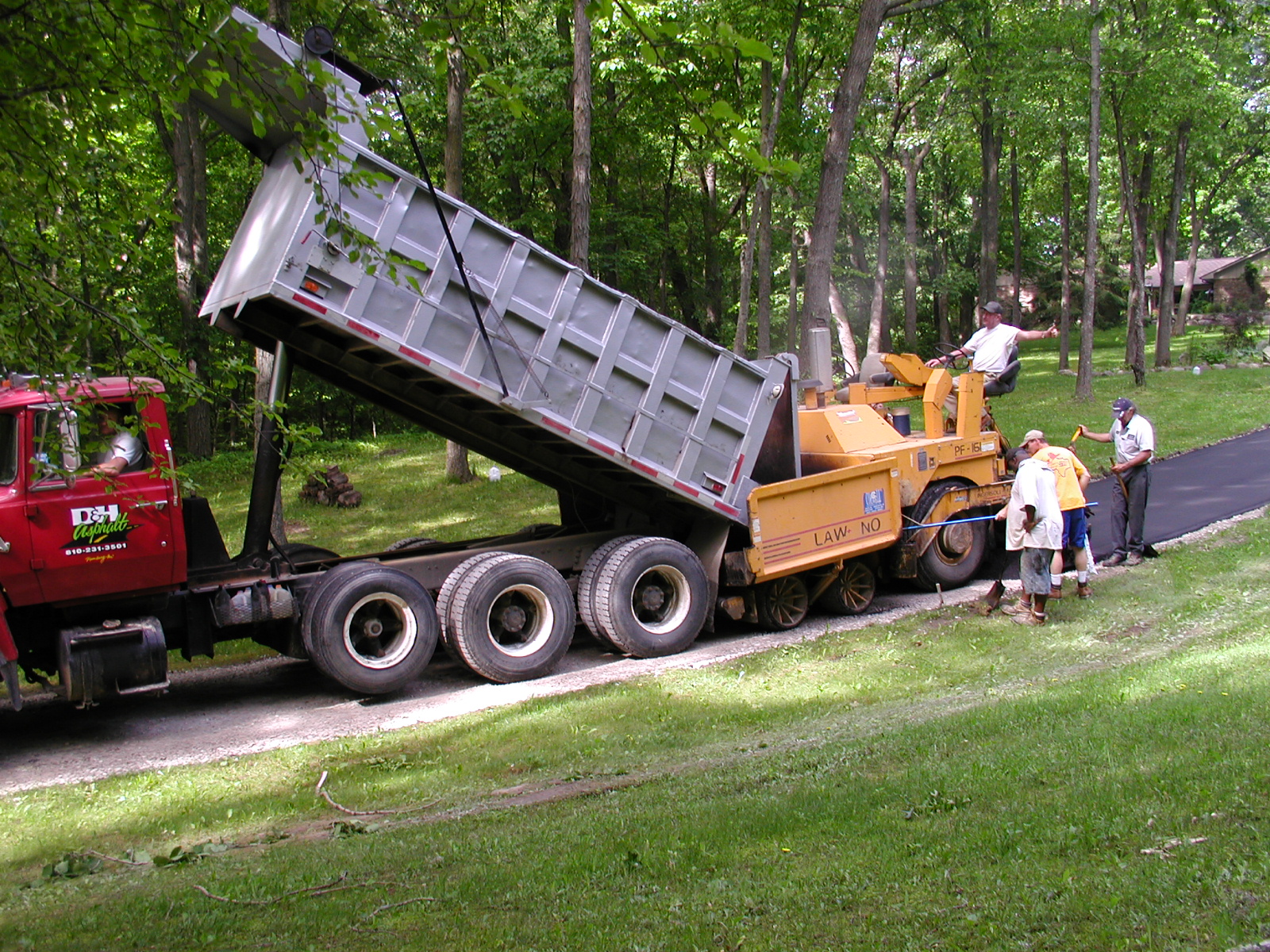
Hot mix asphalt is the gold standard for permanent pothole repair when temperatures allow. The damaged area is cut to clean, defined edges, the loose material and debris are removed, and fresh heated asphalt is compacted into the void to create a seamless, load-bearing repair. When done correctly by an experienced contractor, a hot mix repair blends structurally with the surrounding pavement and resists reopening.
The quality of the prep work is the most important factor in how long a hot mix repair lasts. Cutting the repair area to square, vertical edges rather than feathering the edges, and ensuring the surface is clean and dry before the new asphalt is placed makes the difference between a repair that lasts years and one that fails within a season.
Infrared Asphalt Repair
Infrared repair uses specialized heating equipment to soften the existing asphalt around the pothole, which is then raked and blended with fresh material before being compacted. The result is a seamless, watertight repair with no visible seam between old and new asphalt. This method is particularly well-suited for parking lots and driveways where appearance is a priority alongside function.
Infrared repair is also more environmentally efficient than traditional cut-and-fill methods because it reuses the existing asphalt material rather than removing it entirely. It works best on small to medium-sized potholes in pavement that still has reasonable structural integrity surrounding the damaged area.
Full-Depth Patching
When a pothole has caused significant base layer damage, or when the surrounding pavement has deteriorated to the point where a surface repair will not hold, full-depth patching is the appropriate solution. This method involves removing all layers of damaged asphalt down to the subgrade, repairing or stabilizing the base, and rebuilding the pavement section from the ground up. It is the most labor-intensive approach but provides a permanent structural repair.
Full-depth patching is often the right call when a section of pavement shows recurring potholes that keep returning despite repeated surface repairs. That pattern is a sign that the problem lives in the base, not the surface, and that only a full-depth repair will actually solve it.
How to Prevent Potholes From Coming Back
The most effective pothole prevention strategy is a consistent pavement maintenance routine that addresses vulnerability before it becomes damage. Sealcoating fills surface pores and hairline cracks that water uses as entry points, and it should be applied every two to three years on a well-maintained surface. A sealed driveway or parking lot is significantly more resistant to the water infiltration that starts the pothole formation process.
Crack filling is equally important and should be done as soon as cracks are visible, before they have a chance to admit water and widen through freeze-thaw cycling. The cost of crack filling is a fraction of the pothole repair cost that follows when cracks are left unaddressed through a winter season.
Drainage is another critical factor. Pavement that holds standing water after rain events is under constant moisture stress, and low spots or improper grading that allow pooling should be corrected as part of any repair or maintenance project. Water that drains quickly off the surface is water that cannot infiltrate and cause damage.
Scheduling regular professional inspections, ideally in the fall before winter weather arrives and again in the spring when freeze-thaw damage becomes visible, gives property owners the opportunity to address developing problems before they become full potholes. Small repairs made at the right time consistently cost less than major ones made under pressure.
Warning Signs That Pothole Repair Is Overdue
- Visible depressions or craters in the pavement surface, even small ones, that have been present through at least one rain event.
- Alligator cracking in the area surrounding an existing pothole, which signals that base layer damage has already begun spreading.
- Recurring potholes in the same location after previous repairs, indicating a base failure that surface patching is not addressing.
- Standing water that collects in the same spots on the pavement after rain, which accelerates deterioration and points to low spots that need correction.
- Loose aggregate or gravel visible at the surface, which means the asphalt binder has broken down and the surface is no longer holding together under load.
- Edge crumbling along the border of a pothole, which suggests the surrounding pavement is weakening and the repair area is growing.
Final Thoughts
Potholes do not stay small, and they do not fix themselves. Every day a pothole goes unaddressed is another opportunity for water, traffic, and weather to make the damage worse and the repair more expensive. For residential property owners, that means a driveway that deteriorates faster than it should. For commercial property owners, it means growing liability exposure and a pavement investment that is losing value with every season.
The most cost-effective approach is also the most straightforward one: repair potholes promptly, maintain the surrounding pavement consistently, and work with a contractor who understands both the surface repair and the underlying conditions that caused the problem. Good pavement does not happen by accident, but it is absolutely achievable with the right maintenance plan in place.
Do not let a small pothole turn into a large problem. Contact D & H Asphalt today to schedule a professional assessment and get your pavement repair handled the right way.
Frequently Asked Questions
How do I know if a pothole needs professional repair or a DIY fix?
If the pothole is small, shallow, and in a low-traffic area, a cold patch product from a hardware store can serve as a temporary measure. However, professional pothole repair is the right call for anything larger than a few inches across, any pothole that has come back after a previous DIY attempt, or any damage near the edges of a driveway or parking lot where structural support is most critical. A professional contractor can also assess whether the base beneath the pothole has been compromised, which a surface-only fix will not address.
What is the best time of year to schedule pothole repair?
Late spring through early fall is the ideal window for permanent pothole repair using hot mix asphalt, since warm temperatures allow the material to be placed and compacted properly. That said, potholes that appear in winter should not be left unaddressed until spring. Cold patch repair provides a safe temporary fix through winter, with permanent hot mix repair scheduled as soon as temperatures allow. Waiting through an entire winter season with an unrepaired pothole allows freeze-thaw damage to expand the problem significantly.
Can pothole repair be done in cold weather?
Yes, with the right materials. Cold patch asphalt is specifically designed for low-temperature application and is the standard approach for emergency winter pothole repair. It does not require heating and can be applied even when temperatures are below freezing. The trade-off is durability: cold patch is a temporary solution and will typically need to be replaced with a permanent hot mix repair once weather conditions improve. Infrared repair can also be performed in cooler temperatures, though very cold or wet conditions limit its effectiveness.
How long does a professional pothole repair last?
A properly executed hot mix or infrared pothole repair can last many years when the prep work is done correctly and the surrounding pavement is maintained. Full-depth patching in areas with base failure provides a permanent structural repair that should outlast the surrounding pavement if done well. Cold patch repairs are intended to last only until permanent repair is possible. The biggest factors affecting longevity are the quality of the preparation, the method used, and whether the underlying cause of the pothole was addressed along with the surface damage.
Why does the same pothole keep coming back after repair?
A recurring pothole almost always indicates that the base layer beneath the asphalt has been compromised, and that surface-only repairs are covering the symptom without fixing the cause. When the subbase is soft, saturated, or unstable, the new surface material has nothing solid to bond to and will fail again under traffic load. The solution is a full-depth patch that removes the damaged material entirely, stabilizes or replaces the base, and rebuilds the pavement section from the ground up. A recurring pothole that gets surface-patched repeatedly costs more in the long run than a single proper repair done correctly the first time.
What is the difference between pothole repair and asphalt resurfacing?
Pothole repair addresses a specific localized failure in the pavement surface or base, targeting the damaged area and restoring it to a functional condition. Asphalt resurfacing applies a new layer of asphalt over the entire existing surface, which improves overall condition and extends pavement life but is not a substitute for repairing individual structural failures first. Active potholes should always be repaired before resurfacing, since overlaying a pothole without fixing the underlying damage will cause the new surface to fail in that same location. Think of pothole repair as targeted surgery and resurfacing as a full renewal that follows once the specific problems have been corrected.
D & H Asphalt proudly serves residential and commercial customers throughout the region. Questions about pothole repair or any of our asphalt services? Contact our team today.