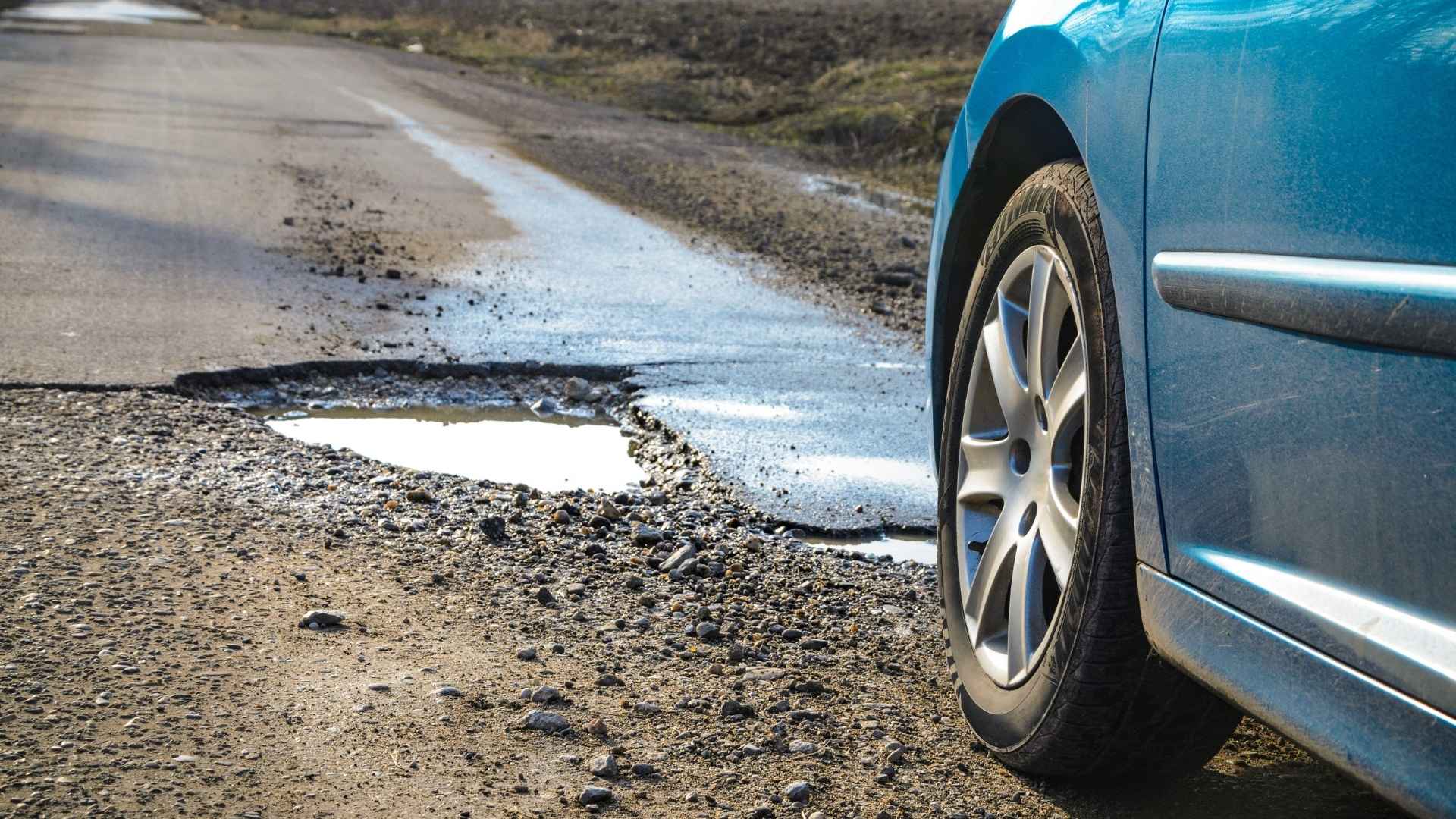
Winter leaves more behind than cold memories. As snow melts and ice thaws, pavement often reveals a network of cracks and craters that demand immediate attention. Many property owners delay pothole repair in the hope that the damage will not worsen. Unfortunately, postponing pothole repair almost always leads to higher expenses, safety risks, and structural failure.
Understanding the hidden costs of unrepaired potholes after winter and why pothole repair matters can help you protect your investment and avoid unnecessary costs.
Why Winter Creates the Perfect Storm for Pavement Damage
Winter weather is the primary trigger for pavement deterioration. When water seeps into small cracks and freezes, it expands. This expansion forces the surrounding asphalt apart. As temperatures fluctuate, the repeated freeze and thaw cycle weakens the surface layer and the base beneath it.
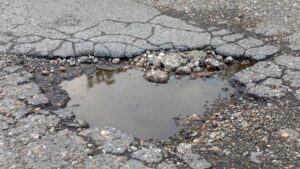
Over time, traffic pressure on weakened pavement causes chunks of asphalt to break free. This is when pothole repair becomes necessary. Without prompt pothole repair, these small voids grow larger with every passing vehicle.
The Federal Highway Administration explains how freeze and thaw cycles significantly contribute to pavement distress and structural damage.
Ignoring early warning signs only increases the scope of pothole repair required later.
The Financial Impact of Delayed Pothole Repair
Many property owners delay pothole repair because they see it as a minor cosmetic issue. In reality, postponing pothole repair can multiply costs in several ways.
First, small defects are far less expensive to address. A single pothole repair performed early typically requires minimal materials and labor. However, when water continues to penetrate the surface, the subbase can erode. At that point, pothole repair becomes more complex and more expensive.
Second, neglected pavement often requires full depth restoration instead of simple pothole repair. What could have been resolved with targeted pothole repair may turn into resurfacing or reconstruction.
Third, emergency pothole repair often costs more than scheduled maintenance. Planning repair during favorable weather reduces labor and material expenses.
Liability Risks and Safety Concerns
Beyond financial considerations, pothole repair is essential for safety. Uneven pavement poses a hazard to drivers, cyclists, and pedestrians. A neglected pothole can cause tire damage, suspension issues, or even accidents.
Slip and fall incidents in parking areas are another serious concern. When property owners ignore pothole repair, they increase the risk of injury claims. Liability lawsuits can far exceed the cost of routine repair.
Proactive repair demonstrates responsible property management. Addressing defects promptly reduces hazards and protects visitors, employees, and tenants.
Damage to Vehicles and Reputation
Customers and tenants notice the condition of your pavement. A parking lot riddled with craters sends a message of neglect. Regular pothole repair helps maintain a professional appearance and protects your brand image.
Vehicle damage is another major issue. Drivers who experience damage due to unrepaired pavement may seek compensation. The cost of a single claim could surpass the expense of multiple pothole repair projects.
Water Intrusion and Structural Failure
One of the most overlooked consequences of delaying pothole repair is water intrusion. Once a surface void forms, water easily penetrates the asphalt layers. Each rainfall worsens the damage.
Without pothole repair, trapped moisture weakens the aggregate base. Heavy traffic then accelerates the breakdown process. Eventually, the pavement loses its load bearing capacity.
At this stage, simple repair may no longer be sufficient. Extensive reconstruction might be required.
Increased Maintenance Costs Over Time
Routine pothole repair is part of a smart pavement management strategy. When pothole repair is ignored, maintenance budgets quickly spiral out of control.
- Cracks expand.
- Edges crumble.
- Surface raveling spreads.
Consistent repair stabilizes pavement conditions and reduces long term costs. Property owners who prioritize repair typically experience fewer major repairs and longer pavement life.
The Role of Preventive Maintenance
Preventive maintenance and repair go hand in hand. Sealcoating, crack sealing, and proper drainage all reduce the frequency of pothole repair. However, when potholes do form, immediate pothole repair is essential.
Delaying repair undermines the effectiveness of other maintenance efforts. Even newly sealed surfaces can deteriorate rapidly if pothole repair is neglected.
Seasonal Timing Matters
Spring is the ideal time to assess winter damage and schedule pothole repair. As temperatures stabilize, materials bond more effectively and pothole repair lasts longer.
Waiting until summer or fall to address winter damage often means the pothole repair will be more extensive. Early intervention allows contractors to perform efficient repair before traffic intensifies seasonal wear.
Environmental and Drainage Issues
Potholes disrupt proper water flow across paved surfaces. When drainage patterns are altered, standing water forms. Standing water accelerates deterioration and increases the need for further repair.
Timely repair restores proper grading and prevents pooling. Effective repair also minimizes sediment runoff and protects surrounding landscapes.
Commercial Property Considerations
For commercial property owners, pothole repair is more than maintenance. It is an operational priority. Delivery vehicles, customer traffic, and service providers all depend on safe access.
Neglecting pothole repair can disrupt daily operations. Delivery delays, accessibility issues, and negative customer experiences can follow.
Regular inspections and prompt repair keep your property functioning smoothly. Investing in pothole repair protects revenue streams and supports business continuity.
Residential Communities and HOAs
Homeowners associations and residential communities also benefit from consistent pothole repair. Private roads and shared parking areas experience constant traffic.
When boards postpone repair, deterioration spreads quickly. Repair costs are then passed on to residents through higher fees or special assessments.
How Small Potholes Become Big Problems
It is easy to underestimate a small surface void. Yet every pothole begins as a minor crack or weak spot. Without repair, traffic forces enlarge the cavity.
As the opening widens, surrounding asphalt fractures. This chain reaction multiplies the need for repair. Addressing the first signs of distress with prompt pothole repair interrupts this cycle.
The True Cost Comparison
Consider two scenarios.
In the first scenario, a property owner schedules immediate pothole repair in early spring. The contractor cleans the area, fills the void, compacts the material, and restores a smooth surface. The cost is manageable and the pavement remains stable.
In the second scenario, the owner delays pothole repair for months. Water infiltrates the base, traffic enlarges the void, and adjacent areas deteriorate. By the time repair is finally scheduled, multiple sections require attention. The repair is more invasive and significantly more expensive.
Long Term Asset Protection
Asphalt pavement is a significant investment. Protecting that investment requires consistent monitoring and repair when necessary.
Routine pothole repair extends pavement lifespan by preventing further deterioration. It preserves structural layers and maintains surface integrity.
Choosing Professional Pothole Repair
Quality matters when it comes to pothole repair. Proper preparation, material selection, and compaction determine the longevity of pothole repair.
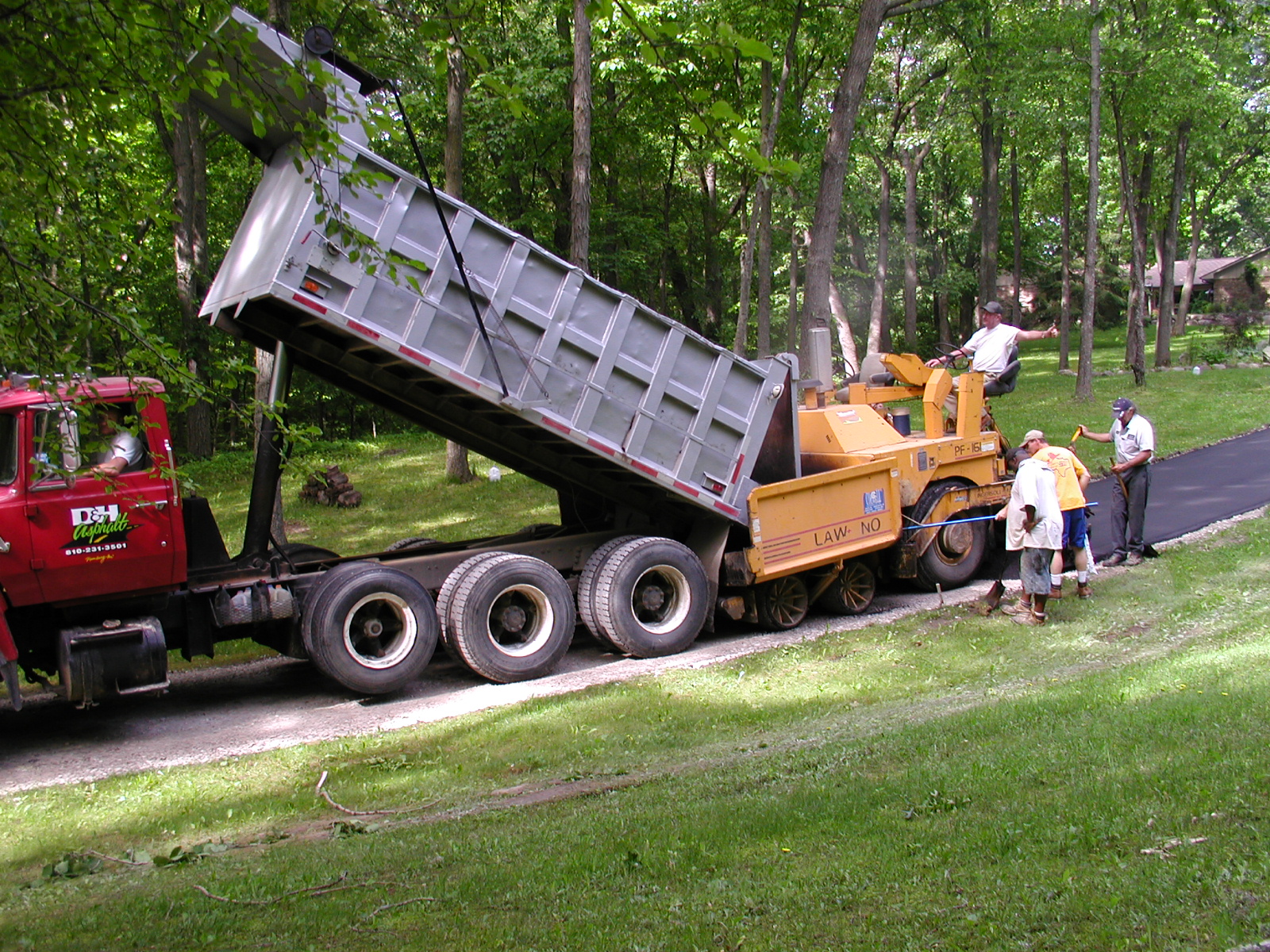
Experienced contractors evaluate the extent of damage before performing pothole repair. They ensure that weakened material is removed and replaced correctly. Professional repair also addresses underlying issues such as drainage or base instability.
Planning for the Future
A structured pavement management plan includes regular inspections and scheduled repair. By budgeting annually for repair, property owners avoid unexpected expenses.
Data driven maintenance strategies show that early pothole repair significantly reduces total lifecycle costs. Instead of reacting to emergencies, proactive pothole repair maintains consistent pavement performance.
Ignoring pothole repair after winter may seem harmless in the short term, but the long term consequences are substantial.
Do Not Let Winter Damage Linger
Winter weather is unavoidable, but escalating pavement damage is not. Prompt pothole repair addresses vulnerabilities before they expand.
Every day that pothole repair is postponed increases the likelihood of deeper structural issues. Water infiltration, traffic stress, and temperature fluctuations all compound the damage.
Taking action early with professional pothole repair safeguards your pavement, your finances, and your reputation.
Take Action Today
If your pavement shows signs of winter damage, now is the time to schedule pothole repair. Do not wait for minor issues to become major expenses. Reliable pothole repair protects your property and demonstrates your commitment to safety and quality.
Contact D&H Asphalt today to for a free estimate on your pothole repair needs!