Asphalt cracks rarely stay small. A hairline crack that looks harmless in September becomes a water channel in October, a freeze-expanded fracture in December, and a pothole by March. The window to address cracks before that cycle begins is narrow, and property owners who miss it consistently pay far more to repair the damage that winter leaves behind than they would have spent on prevention.
The short answer: asphalt crack prevention is most effective when it happens in early to mid-fall, before ground temperatures drop below 50 degrees Fahrenheit and before the first hard freeze locks moisture into any existing openings in the surface. Fall is the right time to inspect, clean, seal cracks, and sealcoat, in that order, before winter does the damage for you.
This guide walks through why cracks form, what the freeze-thaw cycle does to untreated asphalt, the specific steps that make up an effective fall prevention routine, and how the cost of prevention compares to the cost of repair in the spring.
Why Asphalt Cracks Form in the First Place
Oxidation and Aging
Asphalt begins to oxidize the moment it is laid. UV exposure and air contact gradually break down the binder that holds the aggregate together, causing the surface to fade from black to gray and become increasingly brittle over time. As that flexibility is lost, the surface becomes less able to absorb the minor expansion and contraction that happens with every temperature change, and cracks begin to form along stress lines in the pavement.
This process happens on every asphalt surface regardless of climate, but it is accelerated in regions with significant UV exposure, wide seasonal temperature swings, and heavy precipitation. Regular sealcoating slows oxidation significantly by providing a protective barrier over the asphalt surface that reduces direct exposure to the elements.
Water Infiltration and the Freeze-Thaw Cycle
Water is the primary driver of accelerated asphalt deterioration. Once a crack opens in the surface, even a hairline crack, water enters during rain and snowmelt events and works its way down toward the base layer. When temperatures drop below freezing, that water expands by approximately 9 percent, forcing the crack wider from the inside. When it thaws, the water drains away but the crack does not shrink back to its original size.
Over the course of a single winter with multiple freeze-thaw cycles, a small crack can double or triple in width and begin to compromise the base layer beneath the asphalt. Once the base is involved, asphalt crack prevention is no longer sufficient and structural repair becomes necessary. Sealing cracks before the first freeze is the intervention that breaks this cycle before it starts.
Traffic Load and Poor Drainage
Repeated vehicle load on cracked or softened pavement accelerates surface failure by applying stress to areas that have already lost structural integrity. Heavy vehicles are particularly damaging, and commercial properties that see delivery truck or fleet traffic on aged asphalt are especially vulnerable to rapid deterioration after cracks begin to form.
Poor drainage compounds all of these factors by keeping water in contact with the pavement surface longer after rain events. Low spots that collect standing water are under constant moisture pressure, and the pavement around them softens and cracks faster than properly drained areas. Addressing drainage as part of an asphalt crack prevention program is one of the most cost-effective improvements a property owner can make.
The Cost of Prevention vs. Repair
| Service | Typical Cost | What It Prevents |
| Crack sealing | $100-$400 | Water infiltration, base damage, pothole formation |
| Sealcoating | $300-$800 | UV oxidation, surface cracking, moisture penetration |
| Pothole repair | $250-$800 | Structural damage, base failure, full replacement |
| Resurfacing | $2-$5 per sq. ft. | Full replacement, long-term structural failure |
| Full replacement | $5,000-$10,000+ | Complete loss of pavement asset |
How to Prevent Asphalt Cracks Before Winter
Step 1: Inspect the Surface in Early Fall
The fall inspection is the foundation of an effective asphalt crack prevention routine. Walk the entire surface in early September before leaves cover the pavement and before temperatures begin to drop consistently. You are looking for hairline cracks, surface oxidation, areas where the pavement feels soft or uneven underfoot, low spots where water collects, and any edge crumbling along the perimeter of the driveway or lot.
Document what you find, including approximate locations and sizes of any cracks. This gives you and your contractor a clear baseline and helps prioritize which areas need immediate attention versus which are candidates for sealcoating alone. An inspection that catches early-stage cracking in September costs nothing and can redirect hundreds or thousands of dollars in repair spending.
Step 2: Clean the Surface Thoroughly
Debris, dirt, oil stains, and leaf matter trap moisture against the asphalt surface and accelerate the oxidation and cracking process. Before any crack sealing or sealcoating is applied, the surface needs to be swept clear of loose material and blown out along any cracks to remove debris that would prevent proper adhesion of the filler material. Oil spots should be treated with a degreasing agent before sealcoating, since sealcoat does not adhere properly to oil-contaminated surfaces.
For commercial properties, a professional power wash in early fall is a worthwhile investment that prepares the surface for maintenance work and removes the accumulated grime that builds up over a full season of traffic. A clean surface produces better adhesion and a more uniform result from both crack sealing and sealcoating applications.
Step 3: Seal All Cracks Before the First Freeze
Any crack that is visible on the surface should be sealed before ground temperatures drop below 50 degrees Fahrenheit. Below that threshold, crack filler materials do not flow and bond correctly, and the repair will not hold through winter. Hot rubberized crack filler is the professional standard for this work because it remains flexible through freeze-thaw cycling, expands and contracts with the pavement, and creates a watertight seal that prevents water from entering the crack.
Crack sealing is not the same as crack filling, and the distinction matters for asphalt crack prevention. Crack sealing uses a routed and cleaned channel that receives the hot rubber material under controlled conditions, producing a repair that can last several years. Crack filling, more commonly associated with DIY products, simply drops material into the crack without routing or specialized preparation and produces a shorter-lived result. For any crack that is going to face a Michigan winter, professional hot-pour sealing is the right approach.
Step 4: Apply Sealcoating Before Temperatures Drop
Sealcoating should be applied after crack sealing is complete and the filler has cured, and it needs to be done before sustained temperatures drop below 50 degrees Fahrenheit and before rain becomes frequent. The sealcoat needs adequate time to cure before it faces precipitation or freezing, which generally means the application window in northern climates closes by mid to late October depending on the year.
A properly applied sealcoat provides a waterproof barrier over the entire asphalt surface, slows UV oxidation, protects against chemical degradation from vehicle fluids, and gives the pavement a clean, uniform appearance. The Federal Highway Administration has found that preventive maintenance treatments like sealcoating can significantly extend pavement life when applied at the right intervals, making it the single most cost-effective component of a long-term asphalt crack prevention strategy.
Step 5: Improve Drainage Where Needed
If the fall inspection reveals areas where water consistently pools on or near the pavement surface, drainage correction should be part of the prevention plan rather than deferred to a future project. Standing water is one of the most aggressive contributors to base layer damage, and it works against every other crack prevention measure by keeping the surface under constant moisture pressure. Regrading, extending downspouts, and installing channel drains at collection points are all options worth discussing with your contractor.
Ensuring that gutters and downspouts discharge water well away from the paved surface is a simple and often overlooked step that reduces the moisture load on the pavement significantly. Landscaping that slopes toward the driveway or lot should be graded to redirect flow, and any landscape features that hold water near the pavement edge should be corrected before winter.
Step 6: Adjust Winter Maintenance Practices
How you maintain your asphalt through winter affects how much damage it sustains and how much crack prevention work it needs the following fall. Harsh chemical de-icers accelerate surface oxidation and binder breakdown, so switching to sand or calcium magnesium acetate for traction reduces the cumulative chemical load on the surface over time. Avoid using metal-edged snow removal tools that can gouge a sealed surface, and never allow snow plows to scrape below the pavement surface.
Promptly removing snow reduces the duration that meltwater sits on the surface and decreases the number of freeze-thaw cycles the pavement experiences per season. Each freeze-thaw cycle is a stress event on the asphalt, and reducing their frequency through timely snow removal extends the surface life meaningfully over a full winter.
Asphalt Crack Prevention: Homeowners vs. Commercial Properties
What Homeowners Should Prioritize
For residential driveways, the fall maintenance window is straightforward. A visual inspection in early September, crack sealing on any visible cracks before mid-October, and a sealcoat application on a clean, dry surface every two to three years covers the core of what an effective asphalt crack prevention program looks like at the residential scale. Most residential driveways can have crack sealing and sealcoating completed in a single contractor visit.
Residential property owners should also pay attention to driveway edges, which are the first areas to develop cracking and crumbling because they lack lateral support. Edge cracking that is caught early can be sealed effectively. Edge cracking that has been allowed to develop into crumbling or separation requires more extensive repair.
What Commercial Properties Require
Commercial parking lots and access roads face heavier traffic loads, larger surface areas, and more frequent use than residential driveways, which means asphalt crack prevention needs to happen on a tighter cycle. Sealcoating every one to two years rather than every two to three is the appropriate interval for high-traffic commercial surfaces, and crack sealing should be performed whenever cracks are identified rather than on a fixed annual schedule.
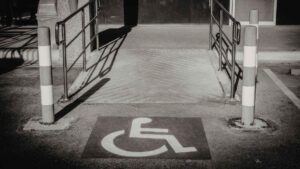
Commercial properties also need to factor ADA compliance into any repaving or resurfacing work triggered by surface deterioration. Accessible spaces, access aisles, and pedestrian routes must meet current dimensional and slope standards whenever paving work is performed, and a professional contractor can identify any compliance gaps during the fall inspection.
Final Thoughts
Asphalt crack prevention is not complicated, but it is time-sensitive. The fall window is the most important maintenance period of the year for any paved surface in a climate with genuine winters, and property owners who use it effectively consistently spend less on repairs over the life of their pavement than those who wait for spring to assess the damage. Cracks that are sealed in October are cracks that do not become potholes in March.
The steps are simple: inspect in early fall, clean the surface, seal every visible crack before the first freeze, apply sealcoat before sustained cold arrives, and correct any drainage issues that are feeding moisture to the pavement. Done consistently, those steps add years to the life of any asphalt surface and keep repair costs manageable rather than catastrophic.
Do not wait for winter to show you what your asphalt needed in the fall. Contact D & H Asphalt today to schedule your fall crack sealing and sealcoating before the prevention window closes.
Frequently Asked Questions
When is the best time to seal asphalt cracks before winter?
Early to mid-fall is the ideal window for asphalt crack prevention, specifically when daytime temperatures are consistently above 50 degrees Fahrenheit and before the first hard freeze. Hot rubberized crack filler needs adequate temperature to flow and bond correctly, and sealcoating requires dry conditions and warmth to cure properly before facing rain or freezing temperatures. In most northern climates, this window runs from mid-September through mid-October depending on the year, though fall temperatures can vary significantly from season to season.
What happens if you don’t seal asphalt cracks before winter?
Unsealed cracks allow water to enter the pavement and reach the base layer beneath. When that water freezes, it expands and forces the crack wider from the inside, a process that repeats with every freeze-thaw cycle throughout the winter. By spring, a crack that was hairline-width in the fall can be significantly wider and may have compromised the base layer underneath it. Once the base is involved, asphalt crack prevention is no longer an option and structural repair becomes necessary, at a cost that is typically many times higher than the sealing work would have been.
Is sealcoating the same as crack sealing for asphalt crack prevention?
No, and the distinction is important. Crack sealing is a targeted repair that fills individual cracks with flexible filler material to prevent water infiltration. Sealcoating is a surface-wide protective coating applied over the entire pavement that slows oxidation, blocks moisture at the surface level, and restores the appearance of the asphalt. Both are components of a complete asphalt crack prevention program, but they serve different purposes. Sealcoating does not repair existing cracks, and crack sealing alone does not provide the surface-wide protection that sealcoating delivers. They should be done in sequence, with crack sealing completed first.
How often should I seal asphalt cracks and sealcoat my driveway?
Crack sealing should be done whenever cracks are identified, ideally each fall as part of a routine inspection before winter. Sealcoating is typically applied every two to three years for residential driveways and every one to two years for commercial surfaces that see heavier traffic. Sealcoating too frequently can cause buildup that becomes brittle and flakes, so following the recommended interval rather than applying it every year is important. A professional contractor can assess the current condition of the surface and advise on the right timing based on the pavement’s age and condition.
Can I do asphalt crack sealing myself or does it need to be professional?
Consumer crack filler products are available and can serve as a short-term temporary measure for very small, shallow cracks. However, professional crack sealing uses hot rubberized filler applied after the crack is routed and cleaned, which produces a flexible, watertight repair that holds up through multiple freeze-thaw cycles. DIY fillers are typically cold-pour products that do not bond as effectively, are less flexible under temperature cycling, and have a much shorter effective lifespan. For any crack that is going to face a full winter season, professional hot-pour sealing is the approach that actually delivers reliable asphalt crack prevention.
Does asphalt crack prevention work on older driveways?
Yes, but with an important caveat. Crack sealing and sealcoating are most effective on pavement that still has sound structural integrity beneath the surface. On older asphalt that has developed widespread alligator cracking, significant base failure, or numerous large cracks throughout the surface, preventive treatments will not hold because the underlying structure is no longer capable of supporting them. A professional inspection can determine whether the pavement is a good candidate for preventive maintenance or whether it has reached the point where resurfacing or replacement is the more cost-effective path forward.
D & H Asphalt proudly serves residential and commercial customers throughout the region. Questions about asphalt crack prevention or any of our paving services? Contact our team today.